What Is BDA Khata? Meaning, Uses and Key Details

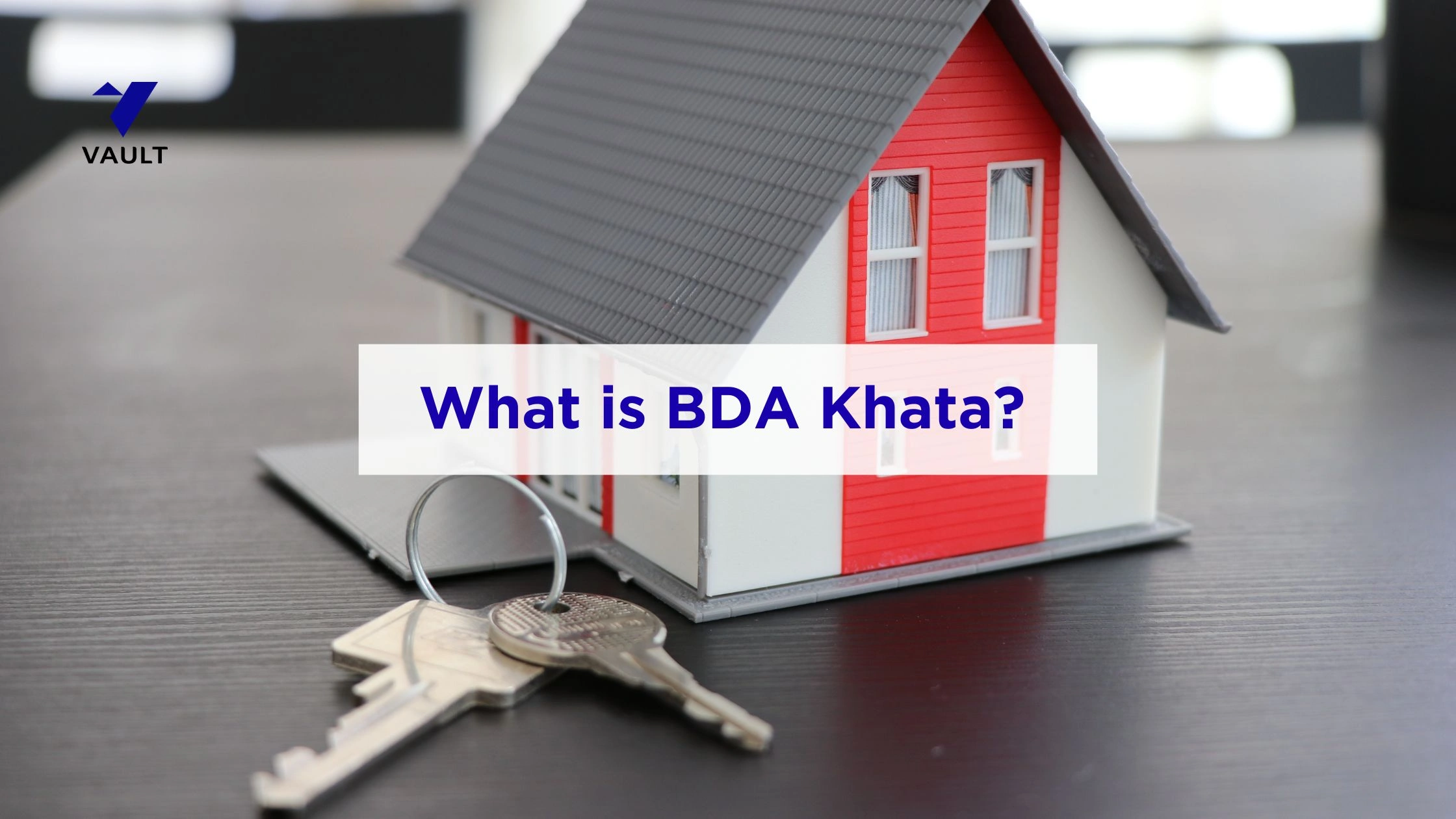
A BDA Khata is a property record maintained by the Bangalore Development Authority (BDA) for eligible sites in BDA layouts and BDA-approved private layouts that have not yet been handed over to the municipal authority. It connects the property with its Khata and tax records under the authority handling that layout. BDA officially lists Khata and Khata transfer services for these properties.
What Is BDA Khata and Who Issues It?
BDA Khata is a Khata record for eligible properties under the Bangalore Development Authority. It is maintained by BDA where the property falls within a BDA layout or a BDA-approved private layout that has not yet been handed over to BBMP or the applicable municipal authority.
The term “Khata” refers to the property account maintained for municipal or local-authority purposes. It connects a property with its owner and property-tax records. BDA's own SAKALA service list specifically includes “Obtaining Khatha for sites in BDA layouts and BDA approved private layouts, not handed over to BBMP yet.”
BDA also provides Khata transfer services when a site in an eligible BDA layout or BDA-approved private layout is sold, gifted, inherited after the owner's death, or transferred through a will.
This means a property does not get a BDA Khata simply because it is located somewhere in Bengaluru. The layout's approval, development authority and handover status matter.
The distinction is especially relevant after Bengaluru's administrative changes. In January 2026, the Urban Development Department directed BDA to transfer Khata records for eight layouts that were handed over to municipal corporations under the Greater Bengaluru Authority (GBA).
So, before assuming that a property still falls under BDA, check the current authority responsible for that particular layout.
What Details Does a BDA Khata Record?
A BDA Khata links an eligible property with its Khata record and property-tax administration; it does not replace the property's registered title documents.
The record is used to identify the property for the relevant authority's Khata and tax-related services. BDA's functions include assessment and collection of property tax for sites and houses in BDA layouts.
For an owner, the relevant property record may be connected with details such as:
Property or site identification
Khata number
Owner or Khatedar details
Property dimensions and classification
Property-tax assessment and payment records
Documents supporting the ownership or allotment
Previous Khata records where a transfer has taken place
The exact documents and fields can vary with the property and service being requested.
A BDA Khata should not be treated as the same document as a sale deed. A registered sale deed, gift deed, partition deed or other title document establishes the transfer or ownership interest. BDA's own documentation for land-use applications separately lists registered ownership documents and Khata certificates as different records.
That distinction matters when buying a property. A buyer should not rely only on the existence of a Khata. The title chain, registration records, approved layout and other property documents should also be checked.
Need help with your property records? Check Khata
Which Properties Can Have a BDA Khata?
BDA Khata is intended for sites in BDA layouts and BDA-approved private layouts that remain under the relevant BDA administration. BDA's official service description specifically uses the condition that the layout has not yet been handed over to BBMP.
A simple way to understand this is to look at three situations.
A site in a BDA-developed layout can fall under BDA's Khata services while the layout remains under BDA's administration.
A site in a BDA-approved private layout can also qualify for BDA Khata services where the layout meets the applicable conditions and has not been handed over to the municipal authority.
A property in a layout that has already been handed over to the municipal corporation may no longer be handled through the same BDA Khata process.
This last point has become more important in 2026. In January, BDA handed over eight older layouts to municipal corporations under the Greater Bengaluru Authority. The Urban Development Department's order required BDA to transfer the Khata records for sites and houses in those layouts along with the relevant property-tax arrears.
The Greater Bengaluru Authority's current website now provides e-Aasthi, B to A Khata, property-tax and other Khata-related services for the five city corporations.
So if you are checking whether a particular property has a BDA Khata, don't look only at the property's address. Verify the layout name, approval authority and present administrative status.
Why Is BDA Khata Important for a Property Owner?
BDA Khata is important because it places an eligible property within the applicable Khata and property-tax record system. It also provides a record that can be updated when ownership changes through a sale, gift or inheritance.
BDA specifically lists Khata transfer for sites sold or gifted in BDA layouts and BDA-approved private layouts. It also lists transfer following the death of the site owner or based on a will.
For example, suppose a person buys a site in an eligible BDA layout. The registered sale deed records the purchase, but the Khata record also needs to reflect the new owner through the applicable transfer process.
The same principle applies after inheritance. If the recorded owner dies and the property passes to an heir, the applicable Khata transfer process is separate from simply possessing the previous owner's documents.
Khata also has a property-tax function. BDA's administrative department is responsible for assessment and collection of property tax for sites and houses under its layouts.
However, BDA Khata alone does not prove that every aspect of a property is legally clear. A buyer should separately check the registered title, encumbrance records, approved layout and other approvals relevant to the property.
The authority responsible for the record can also change. The GBA currently provides e-Aasthi and e-Khata-related services through its five city corporations, so owners of transferred layouts should check the current authority rather than automatically continuing with an old BDA process.
How Vault Helps with What Is BDA Khata
Vault Proptech can help property owners understand the BDA Khata process and the documents needed for their property. This is useful when you're unsure whether the property falls under BDA, whether the Khata needs an update, or which records should be checked before proceeding.
The service can help with BDA Khata-related documentation and the application process based on the property's specific records.
If you already have documents such as the sale deed, allotment document, previous Khata or tax receipt, keeping them ready can make the document review easier.
Need BDA Khata assistance? Get Khata
Before applying, confirm the property's layout name, current authority, Khata status and ownership documents. These details determine which process applies.
Conclusion
BDA Khata is a Khata record maintained for eligible properties in BDA layouts and BDA-approved private layouts that have not yet been handed over to the municipal authority. It is connected with property-tax and ownership-record administration, but it is not a substitute for a registered title document. Since some BDA layouts have been transferred to the Greater Bengaluru Authority's municipal corporations in 2026, checking the property's current administrative status is essential.
Looking for BDA Khata support? Apply for Khata