How to do Land Title Search: Requirements, Deadlines & Templates

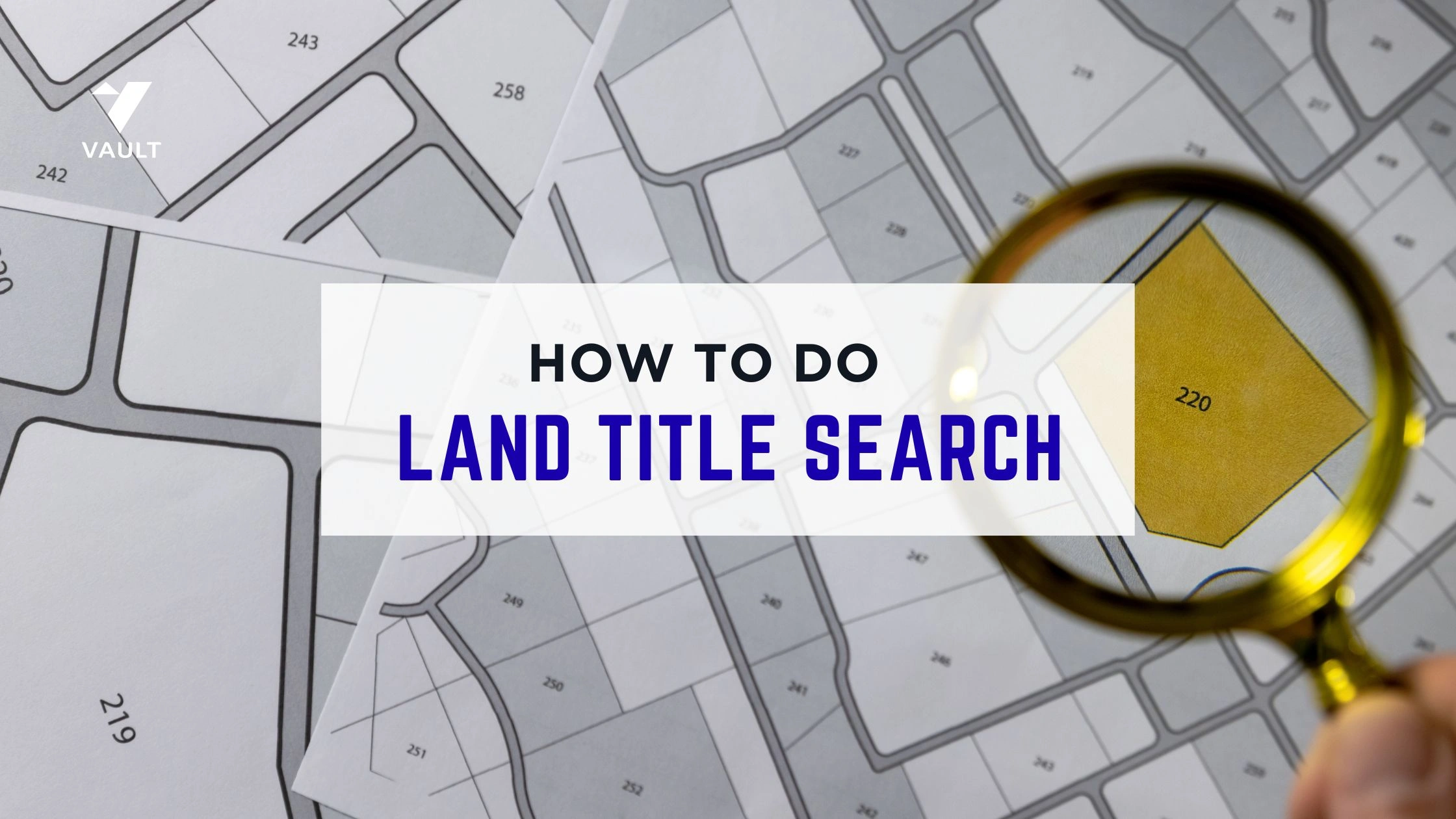
Find out how to conduct a comprehensive land title search. Understand what a title search checks, how long it takes, and how to confirm ownership documents safely.
Quick Summary: (TL; DR)
Checks Legal Rights: A title search ensures that there is an absolute legal owner of the land before transferring your money.
Identifies Hidden Risks: A land title search identifies any existing mortgages on the land, any tax liens, or even lawsuits in the civil court.
Bank Requirement: Banks need a verified report of a land title search before giving any mortgages on the property.
Property Requirement: A land title search is needed for new allocations of property and even the sale of resale houses.
Prevent Money Frauds: Verify your certificates through state websites to prevent people from selling the property with forged documents.
What is a land title search, and what exactly does it verify?
A land title search is a comprehensive study of all relevant public records in order to establish the legal ownership of the land. The history of the asset ownership will be traced from the developer to the current vendor.
In detail, the title search ensures that there is absolute ownership of the property by the seller. The other requirement of the title search includes establishing that the physical dimensions of the land correspond to the recorded layout of the property. The final requirement is the absolute freedom of the property from any claims by third parties or debts.
How to Find Land Details Using Aadhaar Number?
To gather information regarding land in Bangalore (Bengaluru) via the internet, you can make use of the link which is provided by the Karnataka State Government for your Aadhaar number in their online land record database system.
Visit the Official Bhoomi Portal: Visit the official website of Bhoomi, Karnataka.
Select Aadhaar Link Status: Click on the “Aadhaar Linking” or “View RTC” option.
Enter Bangalore Area: Select the district as either Bengaluru Urban or Bengaluru Rural along with the Taluk, Hobli, and the village.
Enter ID Number: Enter the ID number, i.e., the 12-digit number and pass the CAPTCHA test.
Find Details of RTC: You will get the details of your linked RTC and Plot after filling the form.
Why do you need a title search and why do banks insist on a clear title?
Title search helps you avoid being cheated through real estate fraud. The bank demands that the property title be clear since it acts as a major security for your loan. In case another person establishes his/her claim over the land in future, the property title becomes invalid. Therefore, your bank loses its security asset and cannot get back the money you owe it through the mortgage contract.
Can I do a title search on my own?
Yes, but a complete historical title check takes about 7 to 15 working days to prepare, depending on the number of years of records you require, and whether old books are manually retrieved from regional sub registrar offices. If you are based in Karnataka State, access the Bhoomi site to view land records.
Even though internet-based searching systems provide quick access to some basic records, hiring a professional real estate lawyer is important to identify difficult inheritance issues.
Need Help? Talk to Vault Lawyer about your Land Documents and get legal clarity and guidance.
Is a title search required for resale properties only?
No, a title check is not limited to resale properties. You have to do a title check even if you purchase fresh properties from corporate developers or the state authorities. A title check is required to confirm that the developer has legal ownership of the land. This also helps confirm that no dispute existed during obtaining environmental and building approvals.
What is one of the most common problems faced in a title search?
The problem that one may encounter quite often while conducting a title search on property is a break or gap in the title chain.
By definition, a chain of title is a chronology of ownership of a piece of real estate starting from the present-day owner and going back to its original developer. A gap arises in case some transaction of transferring title was not registered in the proper offices or there was an error made in filing the deed.
It generally takes place because of the following reasons:
Missing or Undisclosed Heirs: The deceased earlier owner of the property transferred his property to his family without registering it in the name of the rightful legal heirs through a will, probate, or release deed.
Missing Legal Documents: In a previous sale, either the previous owner has completed repayment of the private loan or the land has been sold historically, but the reconveyance deed or sale deed has not been registered in the sub-registrar's office.
Mistakes in Clerical Work or Wrong Name/Numbers: Mistakenly typing, incorrectly spelling of a particular family name, or wrong survey numbers entered in the ledger make a legal discrepancy in the chain of titles.
Before addressing this issue, the title is termed "unmarketable" as banks won't approve the loan of any house on this property.
Need Help? Talk to Vault Lawyer about your Land Documents and get legal clarity and guidance.
Can a title search detect forged documents?
It is not always possible to determine quality physical document forgeries with a simple registry search. All that is available from searching the registry is whether the deed was registered officially under the certain survey number. The way to spot a sophisticated forgery is to cross-check the volumes of the registration with the actual office ledger books and check the mutation records for any payment of taxes made in past sales.
Advanced Comparison: Key Checkpoints of a Property Investigation
This structural comparison table highlights how different verification steps protect your real estate transactions:
Investigation Metric | Core Document File | Primary Operational Goal | Can You Do It Alone? |
Ownership Proof | Record of Rights (RoR) | Verifies the name of the seller from government books. | Yes (Via state portals) |
Financial Claims | Proves that there are no mortgages by banks on the land. | Yes (Via registry offices) | |
Border Alignment | Cadastral Map (Bhuunaksha) | Physical borders and text deeds tally each other. | Yes (Via map portals) |
Legal History | Parent Deeds (Past 30 Years) | Traces previous buyers of the land. | No (Requires legal counsel) |
How Vault Proptech Validates Your Property Registration Documentation
The process of investigating the previous land title records, examining the previous deeds, and verifying your property documents requires much time. With the assistance of Vault Proptech, you can easily secure your real estate transactions from legal issues. We will help you to verify your property documents online and registration certificates. Learn more about us on our official website.
Need Help? Talk to Vault Lawyer about your Land Documents and get legal clarity and guidance.