BDA to GBA Transition in Bengaluru: BDA Layouts Now Under Greater Bengaluru Authority
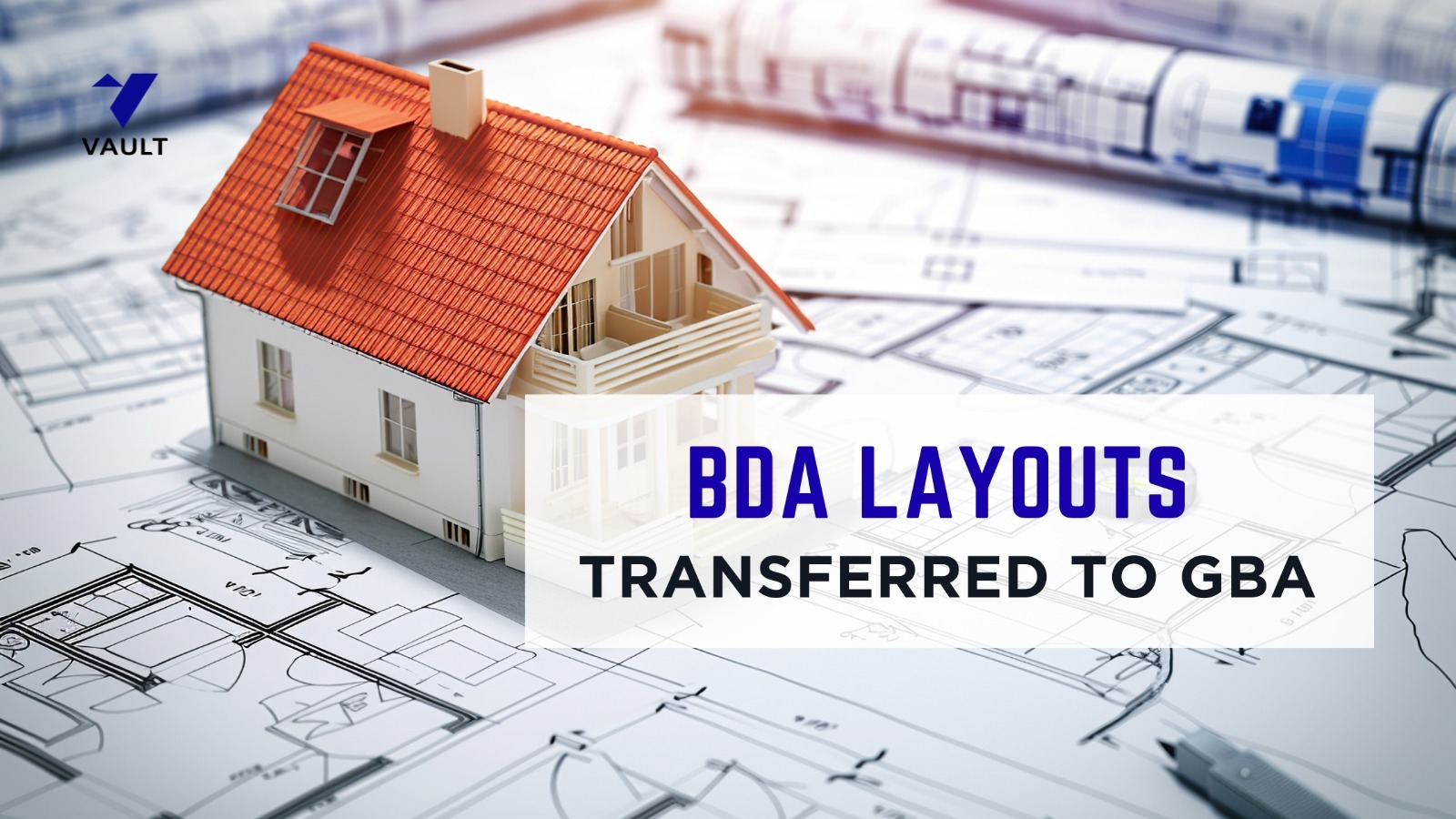
BDA layouts in Bengaluru are being transferred to the Greater Bengaluru Authority (GBA). This transition changes how civic services, property tax, and governance are handled. Here’s what the BDA to GBA transition means for property owners and residents.
Quick Summary (TL; DR)
- BDA-developed layouts in Bengaluru are being transferred to the Greater Bengaluru Authority (GBA)
- GBA will handle civic services, maintenance, and inter-agency coordination
- Property tax and khata remain valid, with possible administrative updates
- The move brings clearer accountability and improved governance for property owners
How the BDA to GBA Transition Impacts Your Property Documents
The BDA to GBA transition in Bengaluru marks one of the most significant changes in the city’s urban governance in recent years. BDA layouts transferred to GBA now fall under a unified civic administration framework. This move aims to simplify civic rights, improve infrastructure delivery, and bring long-pending clarity for thousands of property owners living in BDA-approved layouts.
This article explains what the transfer means, why it matters, and how it affects property tax, khata, infrastructure, and civic services, based on verified government and news sources.
Source: Economic Times Realty – Bengaluru Infrastructure & Urban Governance Update
What Is the BDA to GBA Transition in Bengaluru?
The BDA to GBA transition refers to the administrative transfer of Bangalore Development Authority (BDA) layouts to the Greater Bengaluru Authority (GBA) for long-term civic governance.
Key Context
- BDA was originally responsible for planning, forming, and allotting layouts
- Over time, residents faced issues with:
- Road maintenance
- Stormwater drains
- Property tax collection
- Civic accountability
The Greater Bengaluru Authority has been created to act as an umbrella urban governance body, bringing planning, infrastructure, and civic administration under one coordinated system.
Why Homeowners Should Act Now
If your property is in a BDA-approved layout, this transition is the right time to:
- Review khata records
- Recheck property tax entries
- Verify layout transfer status
- Identify pending documentation issues
Delaying verification can create complications later, especially during property sale, mortgage, or family transfer.
What Is the Full Form and Meaning of GBA?
GBA Full Form
Greater Bengaluru Authority
What Does GBA Mean in Bengaluru Governance?
GBA is designed to:
- Coordinate civic services across Bengaluru
- Oversee municipal bodies and infrastructure agencies
- Ensure uniform standards in service delivery
Unlike BDA, which focused on layout development, GBA focuses on ongoing civic administration.
Why Are BDA Layouts Being Transferred to GBA?
The transfer is based on long-standing governance gaps.
Core Reasons for the Transfer
- Fragmented responsibility between BDA, BBMP, and BWSSB
- Delayed infrastructure completion in many layouts
- Unclear maintenance authority after site allotment
- Difficulty in khata and tax administration
According to the Economic Times Realty report, residents have welcomed this move as it brings clear civic ownership under one authority.
Which BDA Layouts Are Transferred to GBA?
The transition covers fully and partially developed BDA layouts, especially where:
- Sites have been allotted
- Residents have occupied properties
- Basic infrastructure exists or is nearing completion
BDA vs GBA: Key Differences Explained Simply
| Aspect | BDA | GBA |
|---|---|---|
| Primary role | Layout formation | Civic administration |
| Property tax | Not collected | Collected |
| Road & drain upkeep | Limited | Responsible |
| Long-term governance | No | Yes |
| Resident grievance | Fragmented | Centralized |
Who Will Maintain Roads, Drains, and Civic Infrastructure Now?
After BDA layouts are transferred to GBA, maintenance responsibility shifts to civic bodies operating under GBA’s supervision.
What GBA Oversees
- Internal roads
- Stormwater drains
- Street lighting
- Solid waste management
- Coordination with BWSSB and BESCOM
In several layouts, infrastructure cost sharing has followed a 50:50 model, where:
- BDA completes pending works
- Civic bodies take over maintenance
What Happens to Property Tax After BDA to GBA Transfer?
Property Tax Collection
- Property tax is collected by the municipal authority under GBA
- Tax records are integrated with civic systems
Important for Owners
- Outstanding arrears may need reconciliation
- Tax assessment becomes standardized
Does the Transfer Affect Khata Status?
Khata remains valid after BDA layout transfer and may be administratively migrated to GBA records.
- Ownership is not cancelled
- Khata remains valid
- Khata endorsement or record verification may be required
Are BDA Flats and Plots Still Worth Buying After GBA Takes Over?
Yes, provided proper due diligence is done.
Get Your Property Checked Today.
Why Many Buyers Prefer Transferred Layouts
- Clear civic authority
- Better service delivery
- Improved resale confidence
However, buyers must verify:
- Completion of infrastructure
- Khata status
- Tax payment history
Legal and Administrative Implications for Property Owners
Key Legal Points
- Ownership remains unchanged
- Civic responsibility shifts, not land title
- Pending obligations may still apply
Owners should retain:
- Allotment letters
- Possession certificates
- Tax receipts
- Approved layout plans
What Residents Should Do Next
- Confirm layout transfer notification
- Check property tax status
- Review khata details
- Verify infrastructure completion
- Update records if required
These steps help avoid issues during sale, loan, or inheritance.
Expert Insight
“The GBA framework is intended to reduce civic overlap and bring accountability closer to residents. Clear documentation will be key during this transition.” – Urban Planning Consultant, Bengaluru
Why This Transition Matters for Bengaluru’s Future
The BDA to GBA transition in Bengaluru reflects a broader shift toward integrated urban governance. For residents, it brings:
- Clear accountability
- Better civic services
- Reduced administrative confusion
Act Before Your Next Property Decision
Whether you are planning to:
- Sell your property
- Apply for a home loan
- Transfer ownership within family
- Regularize property records
Document clarity is critical during this transition. Before making any property move, ensure your records align with the new civic framework.
Speak to our documentation specialist and avoid last-minute surprises.
How Vault Proptech Helps Homeowners During the BDA to GBA Transition
Vault Proptech supports homeowners by simplifying property documentation and compliance clarity during governance changes like the BDA to GBA transition.
- Reviewing property ownership records and khata details
- Identifying gaps caused by layout handover or authority change
- Explaining tax, khata, and civic record alignment
- Guiding next steps based on official rules and notifications
Vault does not replace government authorities. It helps homeowners understand their current status clearly so informed decisions can be made.