What is a Sublease Agreement? (2026 Guide)

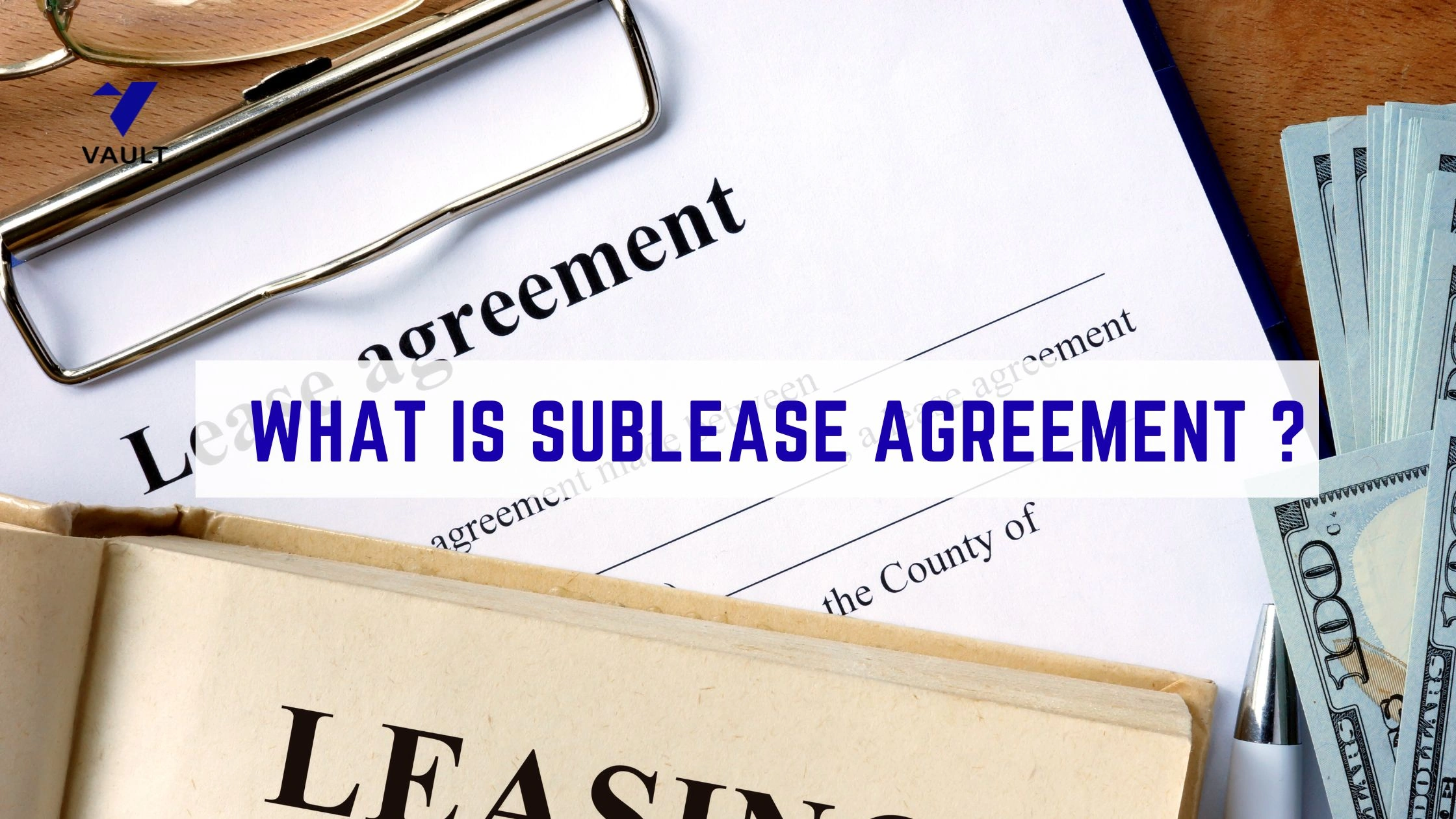
Confused about what a sublease agreement is? Learn its meaning, key clauses, format, registration steps and the rights it gives tenants and subtenants in 2026.
Quick Summary (TL; DR)
Suppose you need to move out for a bit maybe for a job, travel, or just to avoid an empty apartment that still drains your wallet. Handing your keys to someone else sounds easy, right? Except, you’re still responsible to your landlord. That’s where a sublease agreement comes in.
In plain language, a sublease agreement means you (the current tenant) rent out all or part of your place to someone else, the subtenant. You’re not off the hook with your landlord you usually have to get their written go-ahead. The sublease contract spells out the rent, dates, who does what, and all the do’s and don’ts. And if it's for more than 11 months, you’ll probably need to register it.
What Does a Sublease Agreement Mean?
When you sublease, you’re creating a secondary contract between you (the sublessor) and the new person moving in (the subtenant or sublessee). They get the right to live there for a specific time, but you’re still the one dealing directly with the landlord paying rent, handling complaints, and answering for any issues.
It’s like a “lease inside a lease.” Your original agreement with the landlord doesn’t disappear; the sublease just adds another layer on top.
Sublease vs Sublet: Is There a Difference?
People often use sublease and sublet interchangeably and in everyday conversation, they mean the same thing. Both describe a tenant renting out their leased space to someone else. The word sublease usually refers to the formal document, while sublet describes the action of renting it out.
When Do You Need a Sublease Agreement?
A sublease agreement becomes necessary in several common situations:
You’re relocating for a job but don’t want to break your lease.
You have a spare room and want to earn some extra cash while still living there.
You’re a student heading home for the summer break.
Your business has extra office space you’d like to share.
You’re traveling for months and hate the idea of paying rent on an empty flat.
What Should a Sublease Agreement Include?
You want to make things absolutely clear. Here’s what should be included:
1. Details of the Parties Involved
Full names and details of the sublessor (you), the subtenant, and a mention of the original landlord (even if they’re not signing).
2. Property Description
This includes the full address and if only part of the property is being sublet, a description of which rooms or areas the subtenant can use and which areas remain off-limits or shared.
3. Duration of the Sublease
Exact start and end dates. Crucially, it can’t run longer than your original lease with the landlord.
4. Rent Amount and Payment Terms
This covers the monthly rent, due date, mode of payment and what happens if the subtenant pays late. Some agreements also mention whether the rent goes directly to the landlord or to the original tenant first.
5. Security Deposit
Most subleases require a security deposit from the subtenant, similar to a regular rental agreement. The terms for refund at the end of the tenancy should be written down clearly.
6. Maintenance and Repair Responsibilities
The agreement should state who handles minor repairs, who pays utility bills and how maintenance requests are routed, especially since the subtenant usually cannot contact the landlord directly.
7. Landlord's Consent Clause
This is one of the most important parts. Many original lease agreements either prohibit subletting entirely or require the landlord's written permission. The sublease should reference this consent or attach a no-objection letter from the landlord.
8. Termination Conditions
The agreement should explain how either party can end the sublease early, the notice period required and any penalties for breaking the agreement before the term ends.
What is the difference between Sublease Agreement vs Original Lease Agreement?
Factor | Original Lease Agreement | Sublease Agreement |
Parties Involved | Landlord and tenant | Tenant (sublessor) and subtenant |
Who is responsible to landlord | Tenant | Tenant remains responsible, not subtenant |
Term Limit | Set independently | Cannot exceed the original lease term |
Landlord's Role | Direct party to agreement | Usually requires landlord's consent |
Security Deposit | Tenant pays landlord | Subtenant pays tenant |
What is the Format of a Sublease Agreement?
A standard sublease agreement format follows a structure similar to a regular rental agreement. Here is what the layout typically looks like:
Title ("Sublease Agreement")
Date and place of signing
Names and addresses for each party
Property details
Summary of original lease and written landlord approval
How long the sublease lasts
Rent information
Security deposit terms
Rights and responsibilities
Maintenance/repair rules
How and when you can end the agreement (and penalties)
Signatures of the sublessor and subtenant, with witnesses
How to Register a Sublease Agreement? (Step-by-Step)
Registration requirements depend on the duration of the sublease and local state rules, but here is the general process most tenants follow.
Step 1: Get Written Consent from the Landlord
First, get your landlord’s written consent. Either as a separate note or as a clause in your agreement just don’t skip it.
Step 2: Draft the Sublease Agreement
Next, draft your sublease covering all the points above. It’s smart to have a lawyer take a quick look.
Step 3: Print on Stamp Paper
Sublease agreements, like regular rental agreements, are usually printed on non-judicial stamp paper. The stamp duty value depends on the rent amount and the state where the property is located.
Step 4: Sign in the Presence of Witnesses
Sign it. Both you and your subtenant should sign, along with two witnesses.
Step 5: Register at the Sub-Registrar Office
If the sublease term is 12 months or longer, registration at the local Sub-Registrar office is generally required. Both parties, along with witnesses, may need to be present with identity proof.
Step 6: Keep Copies for Records
Once registered, keep copies for everyone involved yourself, your subtenant and your landlord.
Common Mistakes to Avoid When Subletting
Subletting without informing or getting consent from the landlord
Allowing the sublease term to extend beyond the original lease period
Not collecting a security deposit from the subtenant
Skipping the agreement altogether and relying on a verbal understanding
Not specifying who pays for utilities and maintenance
How Vault Proptech Can Help
Want to be sure your sublease is legal and airtight? Vault Proptech helps with drafting, review and registration. They can also help run checks on property documents and sort out legal headaches before they snowball.
Talk to Vault Proptech today to get your sublease agreement drafted correctly the first time.