How to Get 200 Units Free Electricity in Karnataka (Gruha Jyothi Scheme)
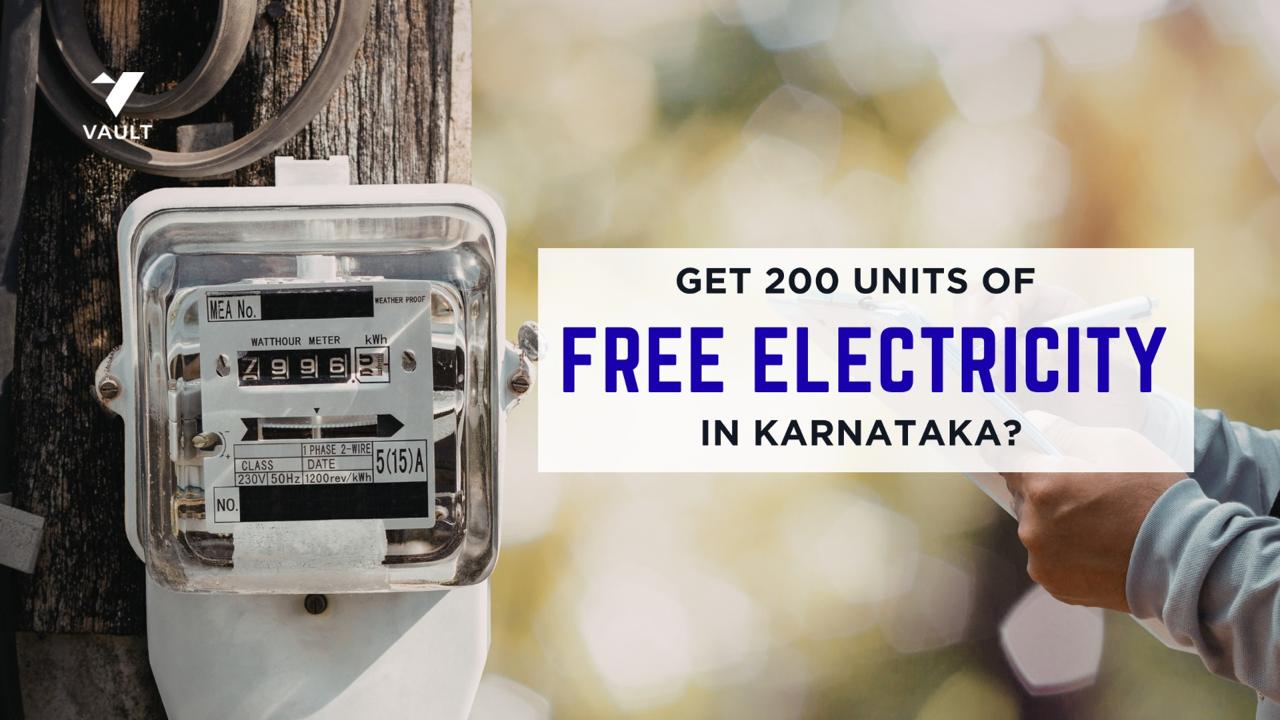
Learn how to apply for the Gruha Jyothi Scheme in Karnataka, check eligibility, documents, and get 200 units of free electricity with this simple 2025 guide.
Quick Summary: (TL;DR)
The Gruha Jyothi Scheme in Karnataka provides up to 200 units of free electricity every month for eligible households. Both homeowners and tenants can apply online through Seva Sindhu using their RR number and Aadhaar. Benefits depend on average past consumption. The scheme is available across Karnataka.
What Is the Gruha Jyothi Scheme?
The Gruha Jyothi Yojana is a free electricity scheme launched in Karnataka. Under this scheme, homeowners and tenants can receive 200 units of free power every month based on their average consumption. This scheme applies across Bangalore, Karnataka and covers BESCOM, GESCOM, HESCOM, MESCOM, and CESC consumers.
What are the Key Benefits of the Gruha Jyothi Scheme?
- 200 units free every month
- Applicable for homeowners and tenants
- Works for urban and rural Karnataka
- Simple Seva Sindhu online registration
- No service charges for applying
What is the Eligibility for Gruha Jyothi Scheme?
| Requirement | Description |
|---|---|
| Residence | Must be a resident of Karnataka |
| Electricity Connection | Domestic connection only |
| Consumption Limit | Average consumption + 10% buffer |
| Tenant Eligibility | Allowed with self-declaration |
| Documents | ID proof, RR number, mobile number |
What are the Documents Needed for Gruha Jyothi Scheme?
- Aadhaar card
- RR Number (from electricity bill)
- Address proof
- Tenant declaration (if rented)
- Mobile number linked with Aadhaar
How to Apply for Gruha Jyothi Scheme Online (Step-by-Step Guide)
Follow these simple steps:
-
Visit the Official Portal
Go to Seva Sindhu Services or your ESCOM portal (BESCOM / MESCOM / GESCOM / HESCOM). -
Select “Gruha Jyothi Application”
Choose the Gruha Jyothi registration option from the services list. -
Enter Your Details
- Consumer RR Number
- Aadhaar Number
- Mobile Number
- Address
- Owner/Tenant status
-
Upload Required Documents
- ID proof
- Latest electricity bill
- Tenant self-declaration (if applicable)
-
Submit and Save Acknowledgement
Download your Gruha Jyothi acknowledgement for future reference.
How to Check Gruha Jyothi Application Status?
To check your status:
- Visit Seva Sindhu portal
- Enter your application number
- View your approval, pending, or rejection status
Average Consumption Calculation
Your free units depend on:
Average monthly units (last 12 months) + 10% buffer
Example:
If your average is 180 units:
180 + 18 = 198 units free
Can Tenants Apply for Gruha Jyothi Scheme in Karnataka?
- Valid ID
- RR number of the rented house
- A simple self-declaration (no owner signature needed in most cases)
New Rules for Gruha Jyothi Scheme
- No charges for applying
- Status tracking simplified
- Auto de-linking available when changing houses
- Tenant-friendly updates
How Vault Proptech Simplifies the Process
Government-related applications often involve careful attention to documents, formats, and procedural steps. Vault Proptech helps simplify this journey by offering clear guidance, document-readying support, and easy-to-understand resources tailored for homeowners and tenants. Our team ensures individuals have the right information before they begin, reducing confusion and saving valuable time.