General Power of Attorney vs Special Power of Attorney (GPA vs SPA)
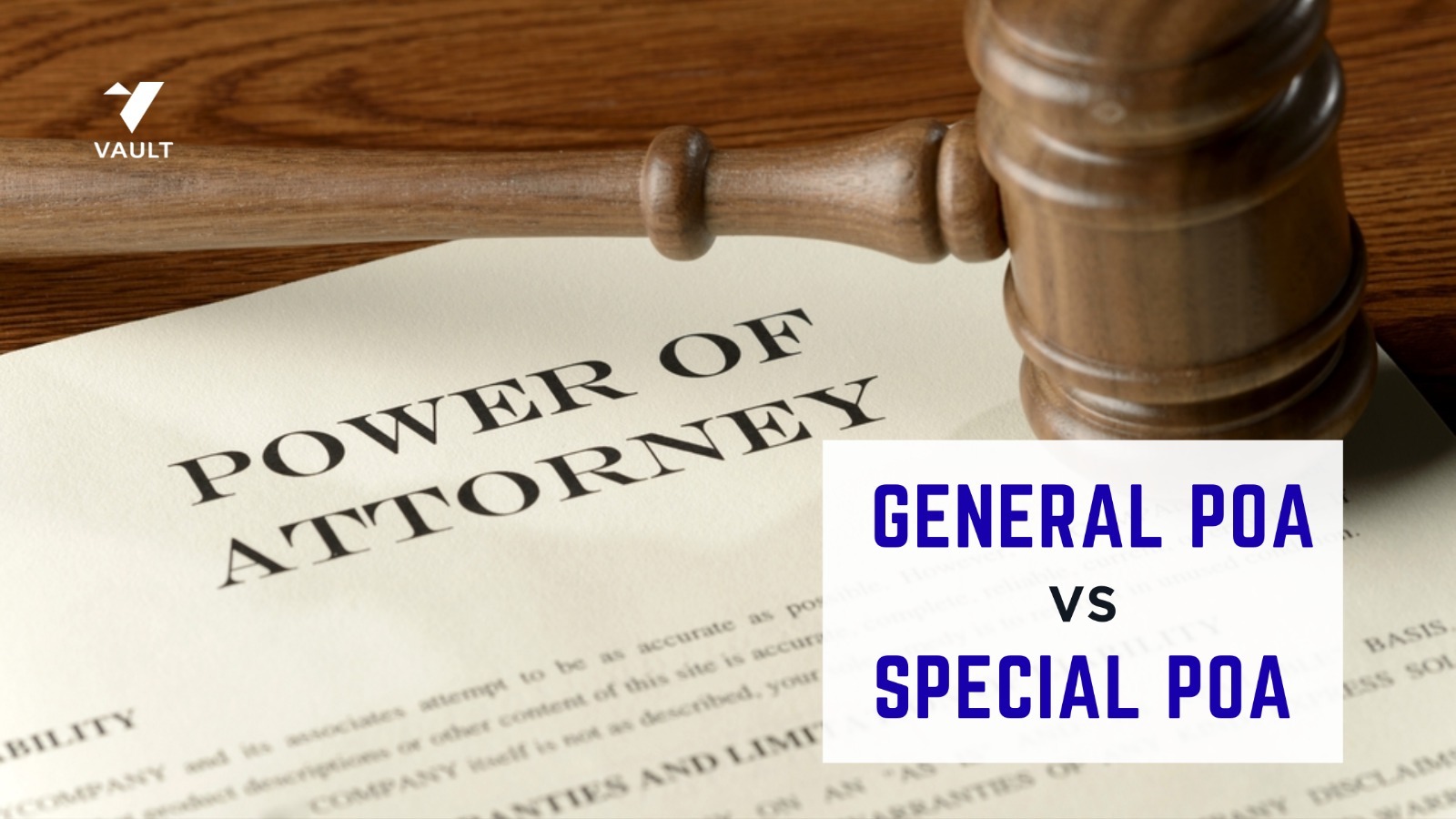
Understand the difference between the General Power of Attorney (GPA) and Special Power of Attorney (SPA) Meaning, their usage, documents needed, legal process, risks involved, and when to choose GPA or SPA.
Quick Summary: (TL;DR)
General Power of Attorney (GPA): GPA grants general / Broder powers to perform various tasks such as property management, banking, or daily affairs; it is valid until revoked;it is more risky since the powers are broad.
Special Power of Attorney (SPA): SPA is limited to one specific task like signing a sale deed or attending registration; it ends after completion of task; it is safer and more regulated.
Choice depends on purpose: GPA for ongoing tasks, SPA for one-time assignments.
What Is a Power of Attorney?
A Power of Attorney is a legal document where a person (called the Principal) authorizes another person (called the Agent/Attorney) to act on their behalf. This authority can be broad (general) or specific (special).
What is the General Power of Attorney? (GPA)
A General Power of Attorney gives the agent wide powers to handle multiple tasks for the principal.
Key Features of GPA
- Authority covers many responsibilities
- Useful when the principal is abroad, busy, or elderly
- Common for property management, banking, and financial dealings
- Valid until the principal revokes it
- Higher responsibility given to the agent
Common Uses of GPA
- Managing bank accounts
- Paying bills and taxes
- Handling property supervision
- Representing in routine financial or legal activities
What is the Special Power of Attorney? (SPA)
A Special Power of Attorney gives the agent authority for only one specific task.
Key Features of SPA
- Power is limited and clearly defined
- Safer for property and legal work
- Ends automatically once the task is completed
- Helps avoid misuse of authority
Common Uses of SPA
- Signing a Sale Deed
- Attending property registration
- Collecting documents
- Representing in a single legal case
What is the difference between GPA and SPA?
| Feature | General Power of Attorney (GPA) | Special Power of Attorney (SPA) |
|---|---|---|
| Scope of Authority | Broad, multiple powers | Limited to one task |
| Risk Level | Higher | Lower |
| Duration | Valid until revoked | Ends after task completion |
| Best For | Daily management | One-time assignments |
| Control | Less controlled | Highly controlled |
| Common Usage | Managing affairs | Property registration / signing |
Which Is Better: GPA or SPA?
There is no single “best” choice. It depends on your purpose:
Choose GPA if:
- You need someone to handle ongoing tasks
- You are staying abroad for long
- You want broad support for financial or property management
Choose SPA if:
- You only need help with one specific job
- You want safer and more controlled authority
- You need someone to sign or attend a single appointment
For most property tasks, SPA is preferred due to safety and clarity.
When to Use a Special Power of Attorney?
Use an SPA when:
- You need someone to sign one document
- You cannot attend a registration
- You want to authorize one-time representation
- You prefer limited and secure authority
What are the documents required for GPA and SPA?
- Aadhaar Card
- PAN Card
- Address Proof
- Passport-size photographs
- Property details (if applicable)
- Drafted POA document
- Witness details
How to Legally Execute a GPA and SPA?
- Drafting the POA Document
Includes names, powers given, purpose, and duration. - Signing in Front of Witnesses
Usually two witnesses. - Notarization or Registration
SPA: Mostly notarized, Registration is Mandatory.
GPA: Often must be registered, especially for property matters. - Submitting ID Proofs
Both principal and agent.
How Vault Proptech Helps in General & Special Power of Attorney (POA) Preparation
If preparing a General Power of Attorney (GPA) or Special Power of Attorney (SPA) feels confusing, you’re not alone. This is exactly where Vault Proptech makes the entire process simple, clear, and stress-free.
- Get precise document verification and a professionally drafted POA (GPA or SPA)
- Ensure the powers are clearly defined so there is no risk of misuse
- Avoid delays with guidance on notarization or registration procedures
- Receive step-by-step support from experienced legal and property experts
- Choose the right type of POA based on your purpose, safety requirements, and legal needs
- Make your POA compliant, accurate, and legally valid
While advocates and local contacts can offer assistance, Vault Proptech provides a smooth, digital-first experience that keeps your POA process quick, transparent, and worry-free. With Vault, you can proceed confidently knowing your POA whether General or Special is drafted correctly, legally sound, and tailored to your exact requirement.