5,648 E-Khata Rejected in Karnataka: What Went Wrong With the Round Robin System?
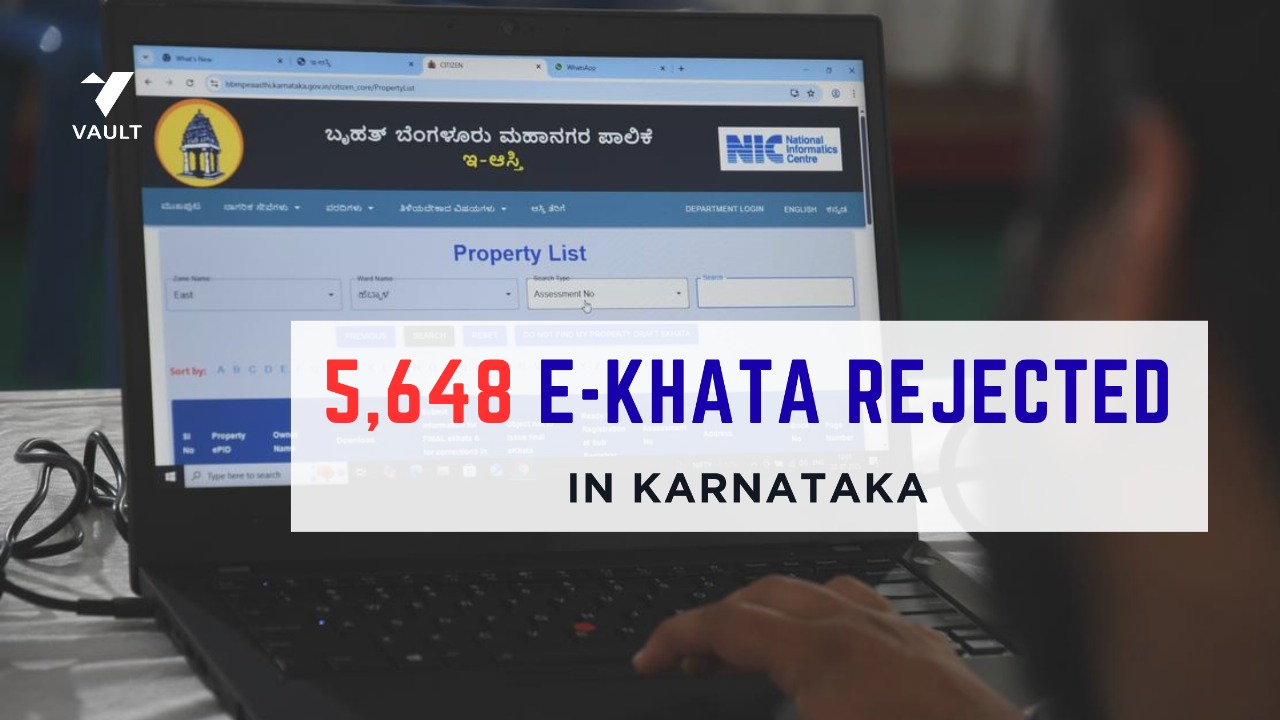
Find out the reason why 5,648 E-Khata applications were denied in Karnataka by the Round Robin system. Understand common mistakes, eligibility criteria, document requirements, and how to avoid rejection in 2025.
Source: The government data was first reported by The Hindu and The Times of India in their detailed coverage on the Round Robin E-Khata rejection issue.
Quick Summary (TL; DR)
Karnataka rejected 5,648 e-Khata applications under the Round Robin system due to document mismatches, jurisdiction issues, and verification challenges. The faceless model has now been scrapped, restoring ward-based scrutiny. Property owners must ensure accurate documents and eligibility to avoid rejection. Expert support can help ensure faster, error-free e-Khata approvals.
Why Were 5,648 E-Khata Applications Rejected Under the Round Robin System in Karnataka?
In the recent announcement from the Karnataka Assembly has brought a major shift in how e-Khata applications are processed across Bengaluru. During the Winter Session in Belagavi, the government confirmed that 5,648 E-Khata applications were rejected under the now withdrawn Round Robin allocation system, an automated method introduced to distribute applications randomly among Greater Bengaluru Authority (GBA) officers.
This rejection figure immediately raised public concern, especially because thousands of property owners had been waiting for their Khata to move forward. Understanding why such a large number of E-Khatas were rejected is important for avoiding mistakes and ensuring smoother approvals in the future.
In the recent announcement from the Karnataka Assembly (as reported by The Hindu), the government confirmed that 5,648 E-Khata applications were rejected.
What Is the Round Robin E-Khata System?
The Round Robin model was launched to simplify and speed up the E-Khata process. Instead of routing applications to jurisdiction-based officers, the system assigned files randomly across the city.
The idea was to:
- Reduce local bottlenecks
- Resolve bribe issues
- Increase transparency
- Improve turnaround time
However, the results were far from expected.
Why 5,648 E-Khata Applications Got Rejected
1. Mismatch Between Applicant Location and Officer Jurisdiction
Officers receiving applications outside their area struggled with land history, ownership disputes, and local records needed for validation.
2. Incomplete or Non-Traceable Property Documents
Common issues included:
- Missing Form 9/Form 11B
- Non-matching survey numbers
- Unclear tax payment history
- Revenue site documents lacking proof
3. Cases Needing Physical Verification
Revenue sites, conversion-pending properties, or older B-Khata files required field checks impossible under the faceless model.
4. System Errors and Application Overflow
GBA received 43,382 applications, issued 31,274 e-Khatas, and kept 6,450 pending. The system faced undeniable pressure.
5. Objections Raised by GBA Staff
Officers highlighted practical limitations:
- Difficulty verifying property lineage
- Lack of historical ward-level data
- Increased risk of wrong approvals
This backlash eventually led to the withdrawal of the system on December 3rd.
Now Round Robin System Scrapped and Old Method Restored
After several concerns from both property owners and legislators, the government restored the jurisdiction-based evaluation system.
This means:
- Applications are now assigned to the officer responsible for that specific ward or zone
- Scrutiny is more accurate
- Document verification is faster
- Site inspections are possible again
For citizens, this makes the process more predictable and transparent ,if documents are correct.
What Property Owners Must Know to Avoid E-Khata Rejection?
1. Ensure all property documents match
Survey numbers, sale deed details, tax receipts, and RTC/Pahani must be consistent.
2. Confirm eligibility before applying
Revenue sites, DC conversion-pending properties, or disputed lands often face rejections.
3. Clear old tax dues
Even small mismatches or unpaid entries trigger rejection
4. Verify that the layout is approved
BDA, BMRDA, BIAPPA, or Gram Panchayat approval is essential depending on the area.
5. Upload high-quality documents
Unreadable or incomplete uploads account for a large portion of rejected applications
Why Does This News Matters for Every Property Owner?
The rejection of 5,648 applications is a clear reminder that even small documentation errors can lead to months of delay. This is why expert supervision during the Khata process is no longer optional—it is essential.
Here in Vault Proptech we have our expert legal team to make your e-khata today hassle free.
With thousands of rejections now confirmed, getting expert help is the smartest way to ensure your property documentation is approved without delays.